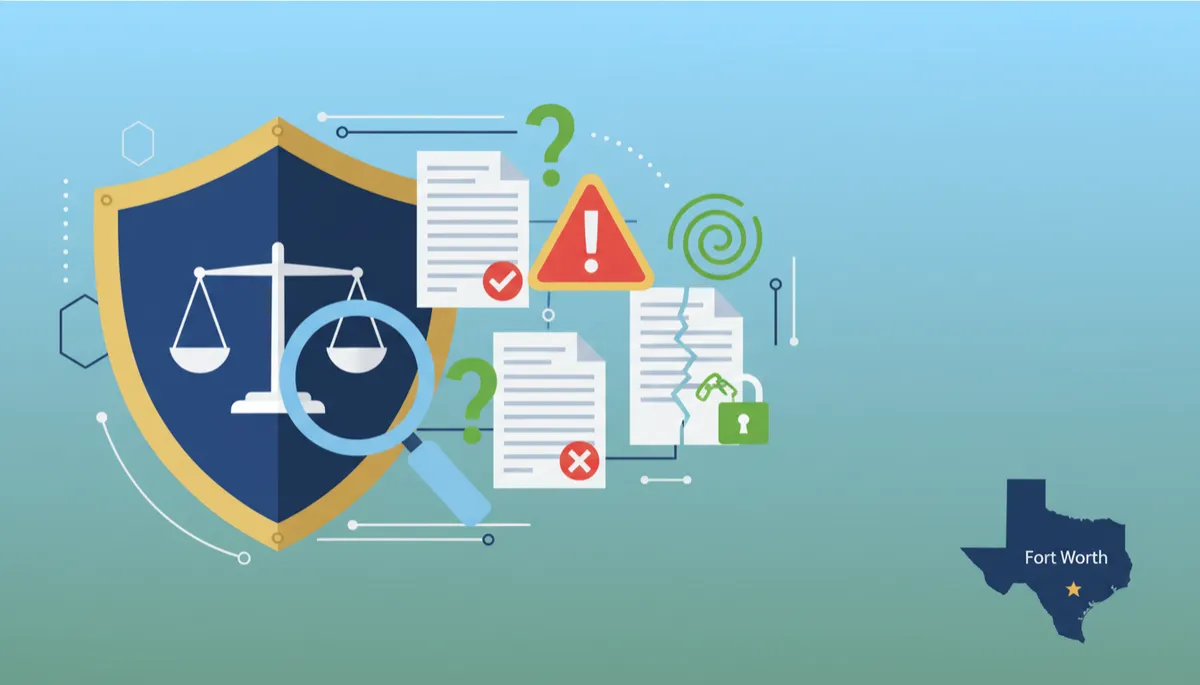
Protect Yourself from Notario Fraud in Texas
Immigration, Consumer Protection, Fort Worth Texas
Notario Fraud in Texas: How to Protect Yourself from Immigration Scams
If you are an immigrant living in Fort Worth, Texas, you deserve honest, qualified help with your immigration case. Unfortunately, many families in North Texas are harmed every year by “notarios” who pretend to offer legal immigration services but are not licensed attorneys. Understanding how notario fraud works in Texas, and how to avoid it, can protect your future, your money, and your family’s peace of mind.

What Is a “Notario” in Texas?
In many Latin American countries, a notario público is a highly trained legal professional similar to a specialized attorney. In the United States, a notary public is very different. A U.S. notary can only witness signatures and verify identities. They cannot give legal advice or represent you in immigration court.
Notario fraud Texas happens when someone uses the Spanish word “notario” or “notario público” to make immigrants think they are lawyers or qualified immigration experts when they are not. This is a serious problem in many communities, including Fort Worth and the surrounding DFW area, where families may trust a “notario” because of shared language or culture, not realizing they are dealing with an unqualified person engaging in the unauthorized practice of law in Texas.
How Notario Fraud Works in Texas
Notarios and fake immigration consultants often advertise heavily in Spanish-language media, social media groups, and local neighborhoods across Fort Worth. They may rent offices near government buildings or trusted businesses to look more official. Their goal is to convince you that they have special knowledge or connections that can “fix” your immigration status quickly and easily.
In many cases of immigration consultant fraud Texas, the notario will:
- Fill out immigration forms without understanding the law, making dangerous mistakes that can hurt your case.
- File applications you are not eligible for, just to charge higher fees and look “successful.”
- Keep your original documents or receipts, making it harder for you to fix the damage later.
These scams are especially harmful in communities that want to protect immigrants in Fort Worth but may not have easy access to clear information in their own language. That is why learning how to identify notario fraud is so important for you and your loved ones.
Common Immigration Scams in Fort Worth and Across Texas
1. Charging for Free Government Forms or Applications
Many notarios charge high fees just to print or download forms that are free from U.S. Citizenship and Immigration Services (USCIS). This type of fake immigration help Texas is common in immigration scams Fort Worth and other Texas cities. While you may pay someone a reasonable fee to help you complete forms, you should never be told that the forms themselves cost hundreds of dollars, or that they are “secret” or “special” documents only the notario can access.
2. Filing Fake or Inappropriate Cases
Another dangerous scam involves notarios filing applications or asylum claims that are not based on your real situation. They may invent a story or submit false information to immigration authorities. This can lead to serious accusations of fraud and even removal proceedings. Under Texas and federal law, using fake documents or lying on immigration forms can lead to criminal charges, including fraud and falsification of government records under Texas Penal Code Chapters 32 and 37.
3. False Promises of Legal Status or Special Connections
Notarios often promise that they can guarantee a green card, work permit, or citizenship in a short time, or claim to have special influence with immigration officers or judges. No one can honestly make these promises. Immigration decisions are made only by the U.S. government, not by private consultants. If someone guarantees results, it is a strong sign of notario fraud Texas.

Carefully checking credentials and promises is the first defense against immigration scams.
Warning Signs: How to Identify Notario Fraud
Knowing how to identify notario fraud can save you from losing money and risking your status. Be very cautious if you notice any of these warning signs in Fort Worth or anywhere in Texas:
- The person calls themselves “notario,” “notario público,” or “licenciado” but cannot show a Texas law license or bar number.
- They refuse to give you a written contract or clear receipt for your payments.
- They ask you to sign blank forms or do not let you read documents before signing.
- They guarantee success, offer “special programs,” or say they can speed up your case with personal connections.
- They tell you not to speak with an attorney or anyone else about your case.
Consequences for Victims of Notario Fraud
The damage caused by immigration scams Fort Worth and across Texas can last for years. Victims may lose thousands of dollars, miss important deadlines, or have their cases denied because of false or incomplete information. In some situations, a notario’s actions can place a person directly into removal proceedings, even if the immigrant believed they were following the law.
Emotional harm is also real. Families experience stress, fear, and confusion when they discover they have been misled. Many feel ashamed or afraid to report what happened. But under Texas law, you are the victim, not the criminal. Reporting unauthorized practice of law Texas is an important way to protect immigrants in Fort Worth and prevent others from being hurt.
Texas Laws Against Notario and Immigration Consultant Fraud
Texas uses several laws to fight notario fraud and other immigration scams. While there is no single “notario law,” different statutes work together to protect consumers and punish fraud. The Texas Attorney General’s Consumer Protection Division can sue businesses that mislead immigrants, including fake immigration consultants. Criminal laws against fraud and falsifying government records, such as Penal Code Chapters 32 and 37, may apply when a notario uses forged documents or lies on official forms.
In addition, the unauthorized practice of law Texas is taken seriously. Only licensed attorneys or accredited representatives from recognized organizations may give legal immigration advice. The State Bar of Texas and courts can take action against people who pretend to be lawyers, including notarios who advertise immigration services as if they were attorneys. State and federal authorities also use broader fraud and trafficking laws when immigration scams involve forged documents, smuggling, or exploitation.
How to Report Notario Fraud in Texas
If you believe you or a family member has been a victim of notario fraud Texas, you have the right to report it. Try to collect contracts, receipts, text messages, emails, advertisements, and copies of any immigration forms that were filed. Then consider these steps:
- Contact the Texas Attorney General’s Consumer Protection Division to file a complaint about deceptive business practices.
- Report unauthorized legal practice to the State Bar of Texas, especially if the person claimed to be an attorney or acted like one.
- Notify local law enforcement in Fort Worth or your city if you believe a crime has occurred, such as theft or forgery.
- You may also report scams to the Federal Trade Commission (FTC) and, in some cases, to immigration authorities like USCIS.
How to Find Legitimate Immigration Help in Fort Worth, Texas
The best way to avoid fake immigration help Texas is to work only with qualified professionals. For legitimate immigration help Fort Worth Texas, look for:
- Licensed immigration attorneys in good standing with the State Bar of Texas, whose license you can verify online.
- Accredited representatives working with nonprofit organizations recognized by the U.S. Department of Justice.
- Local community organizations and tax or financial service offices that clearly state when they do not provide legal advice, but can connect you to trusted attorneys or resources.
In Fort Worth, many immigrant families prefer to work with professionals who speak their language and understand their culture. When you visit a local office, such as one near the La Gran Plaza area around 4200 South Fwy., Suite 2520, Fort Worth, TX 76115, ask clear questions about what services are offered. A trustworthy business will explain whether they provide legal services, tax preparation, or financial guidance, and will be honest about when you need a licensed immigration attorney instead.
You can also research local professionals online. For example, reading community feedback on a company’s Google Business Profile can help you see how other immigrants in Fort Worth feel about the service and whether they felt respected and well informed. This is one more way to protect immigrants Fort Worth from scams and misinformation.
When you are ready to talk with a trusted local professional about your situation, including how your immigration status may affect your taxes, investments, or financial planning, you can reach out to businesses that have built a strong reputation in the community. IKAR Tax and Investments Inc, located at 4200 South Fwy., Suite 2520, Fort Worth, TX 76115, regularly serves immigrant families from Fort Worth and nearby cities. You can call (817) 305-3433 or visit https://ikartaxandinvestments.com to learn more about their services and, when needed, ask for referrals to qualified immigration attorneys instead of risking your future with a notario.
